Contactless Shopping
Contactless Shopping
Contactless Shopping
Overview
Contactless retail experience allows shoppers to pay and purchase goods without having the need to swipe a card and enter a PIN—allowing the transaction to take place without touching.
Contactless shopping app can assist customers throughout the shopping journey by enabling product search with product recommendations, locating the nearest store, booking store visit appointments to ensure social distancing, scheduling self-pickup from the store, and even helping with returns or exchanges in case of need.
Thus, the need of the hour calls for a self-checkout store. With the help of AI, consumers can have a seamless shopping experience.
My contribution
Research
UI Design
The team
1 × ux designer
1 × ux researcher
Year
2022
Overview
Contactless retail experience allows shoppers to pay and purchase goods without having the need to swipe a card and enter a PIN—allowing the transaction to take place without touching.
Contactless shopping app can assist customers throughout the shopping journey by enabling product search with product recommendations, locating the nearest store, booking store visit appointments to ensure social distancing, scheduling self-pickup from the store, and even helping with returns or exchanges in case of need.
Thus, the need of the hour calls for a self-checkout store. With the help of AI, consumers can have a seamless shopping experience.
My contribution
Research
UI Design
The team
1 × ux designer
1 × ux researcher
Year
2022
Overview
Contactless retail experience allows shoppers to pay and purchase goods without having the need to swipe a card and enter a PIN—allowing the transaction to take place without touching.
Contactless shopping app can assist customers throughout the shopping journey by enabling product search with product recommendations, locating the nearest store, booking store visit appointments to ensure social distancing, scheduling self-pickup from the store, and even helping with returns or exchanges in case of need.
Thus, the need of the hour calls for a self-checkout store. With the help of AI, consumers can have a seamless shopping experience.
My contribution
Research
UI Design
The team
1 × ux designer
1 × ux researcher
Year
2022
Process
Problem Statement
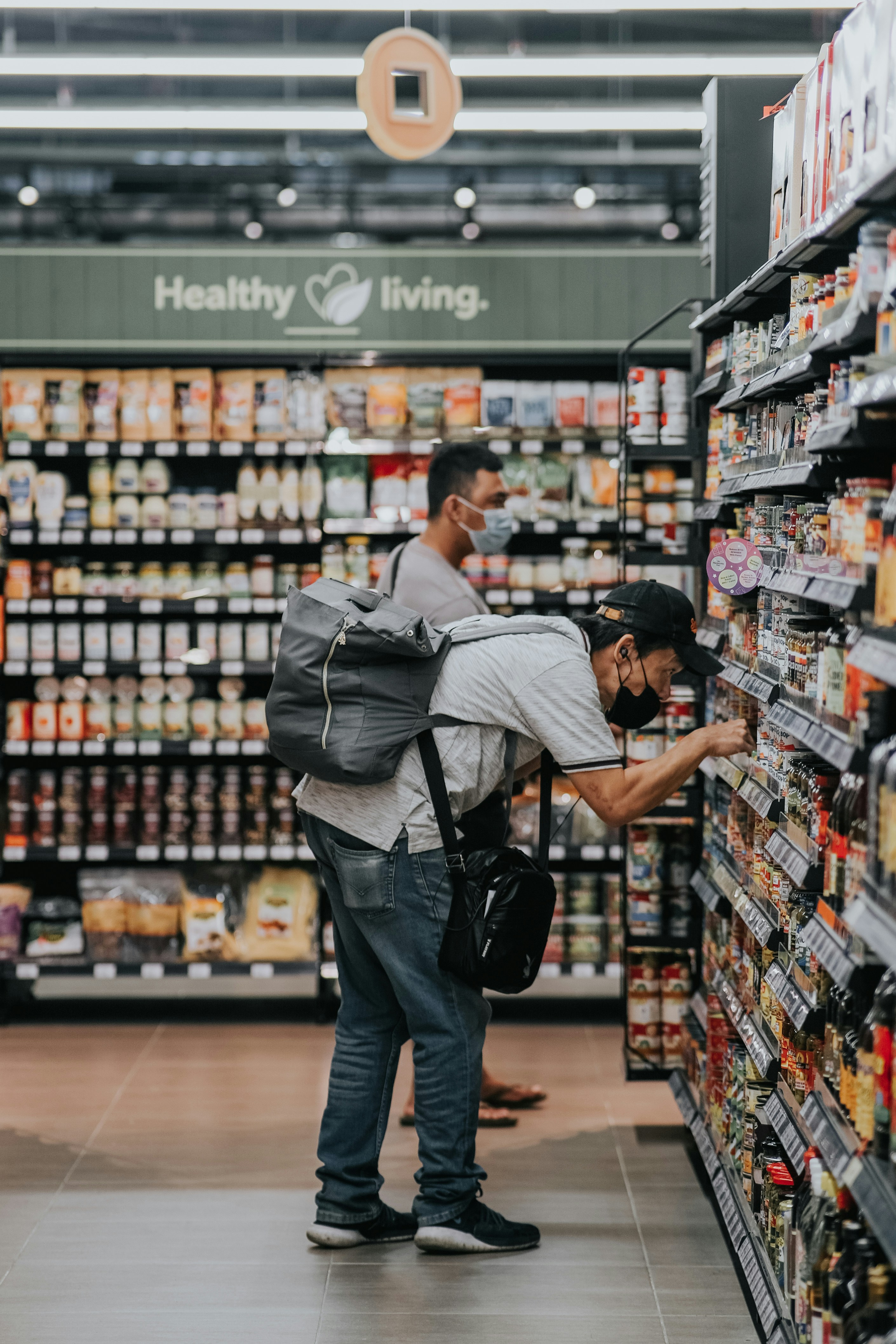
We all are hit by a global pandemic and people feel unsafe to shop from groceries. After the COVID-19 users tend to be worried about the touchpoints and contact with the staff, objects, etc. while shopping at a retail store.
Breaking down the project
Business: Retail (Groceries)
Purpose: Scan and Go, Self-checkouts
Typical user: People who purchase directly from grocery stores
Primary Research
Need of the hour
The current pandemic crisis disrupted the routines and lifestyle of people, users are more likely to seek safer solutions.
With the coronavirus pandemic, the idea of contactless shopping, dining and payments has taken over.
Building proper awareness and education around contactless payment besides undertaking other preventive measures can help users collectively combat the risks involved.
Customer experience is getting more personal with the help of real-time interactive experiences.
Changes in consumer behaviour
Many users experience stress and anxiety while going to groceries and market due to the crowd and touchpoints. Users feel scared and unsafe and find it difficult to shop from stores they can trust.
Users are looking for a lifestyle which go hand-in-hand with the current situation, having something that both looks and feels accessible and modern, as well as fast and convenient. They are now more willing then before for contactless retail experience.
Users believe that contactless payments are safer, faster, and carry less risk than cash payments – in line with for today’s retail environment.
Understanding the User
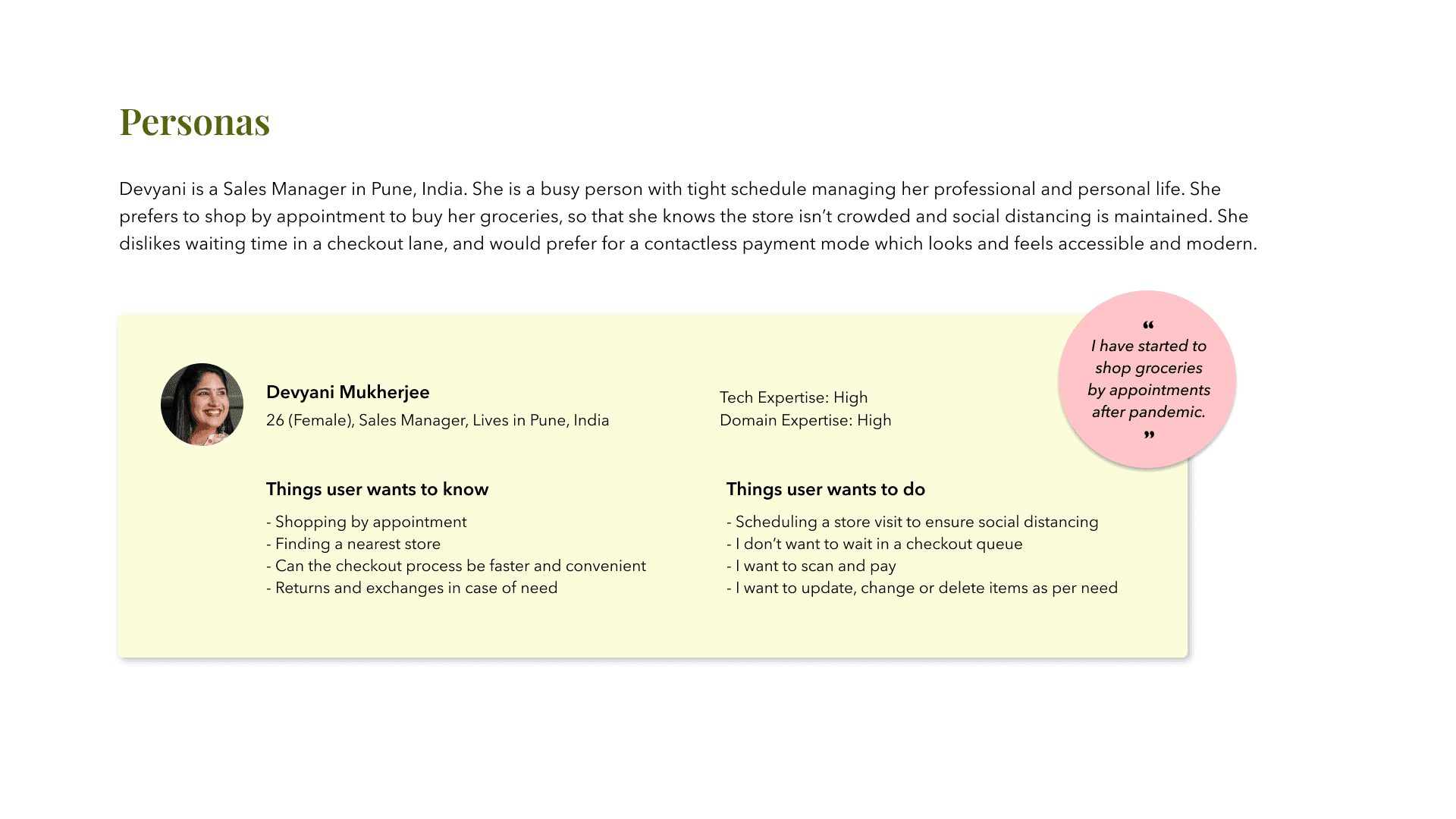
Based on the above, user profiles and environmental profiles were made. By understanding both the user and their environment, you can create a product that feels natural and intuitive. It caters to the user's needs and goals while functioning seamlessly in the situations they'll use it in. This leads to a higher level of user satisfaction and a more successful product overall.
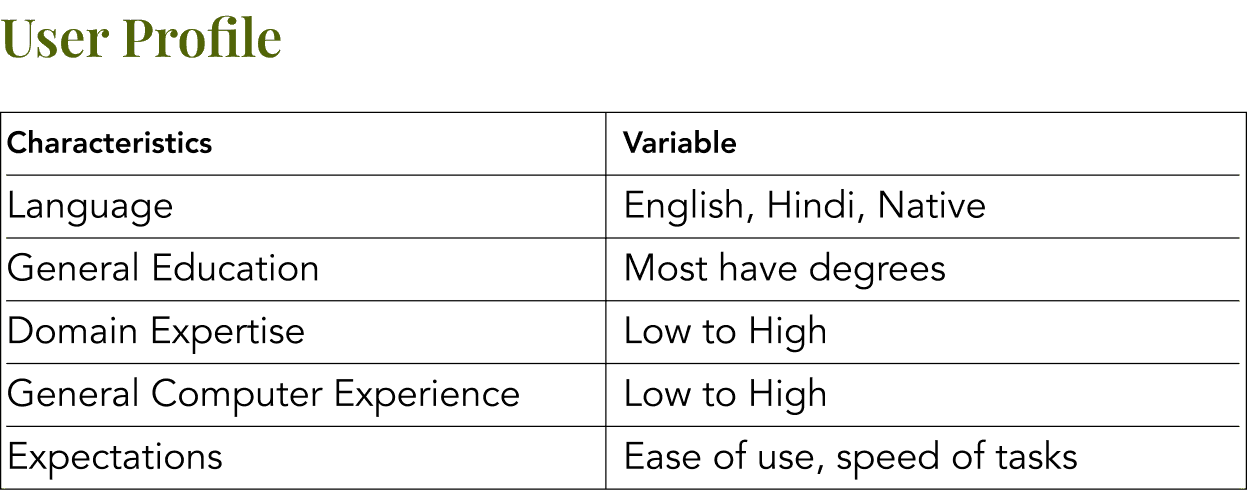
A user profile paints a picture of your ideal user. It details their demographics, goals, frustrations, and motivations. This allows us to design features and functionalities that directly address their needs, creating a more relevant and user-friendly experience. By stepping into the user's shoes, we can identify potential pain points and areas for improvement. This avoids designing based on assumptions and ensures the product caters to real user needs. With multiple user segments, profiles help prioritize features. We can identify which user needs are most critical and tailor the design accordingly.
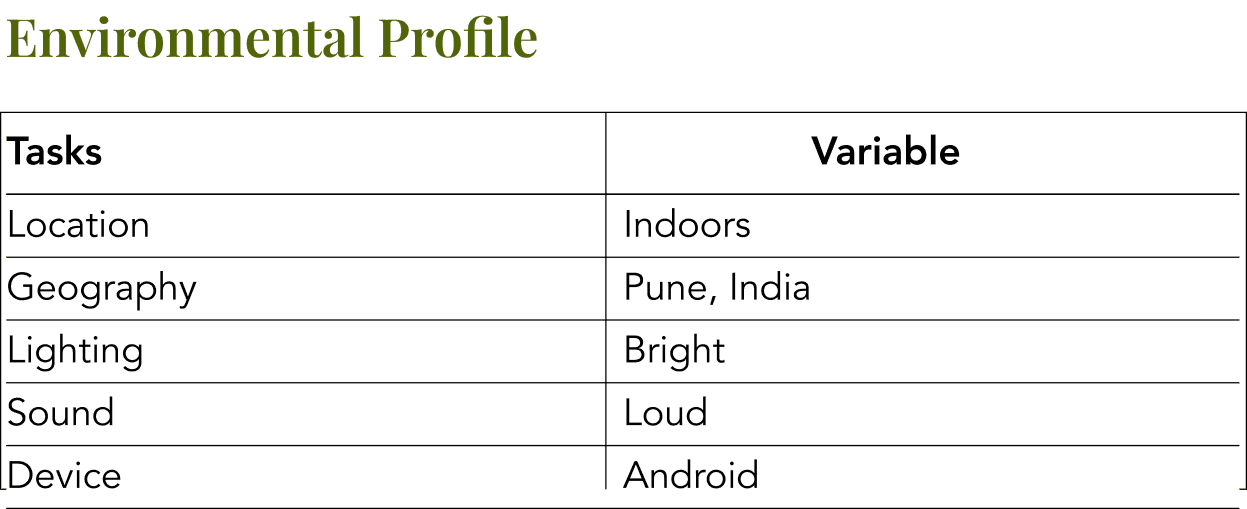
Environmental profiles can highlight potential accessibility barriers for users with disabilities. By considering different environments, we can design inclusively, making our product usable by everyone. The environment where users interact with our product significantly impacts their experience. An environmental profile considers factors like lighting, noise levels, available devices, and even internet connectivity. This helps design for real-world scenarios, ensuring optimal functionality! Understanding the environment helps anticipate how users might interact with the product in unexpected situations. This allows for designing for flexibility and error handling, creating a more robust user experience.
Process
Problem Statement
We all are hit by a global pandemic and people feel unsafe to shop from groceries. After the COVID-19 users tend to be worried about the touchpoints and contact with the staff, objects, etc. while shopping at a retail store.
Breaking down the project
Business: Retail (Groceries)
Purpose: Scan and Go, Self-checkouts
Typical user: People who purchase directly from grocery stores
Primary Research
Need of the hour
The current pandemic crisis disrupted the routines and lifestyle of people, users are more likely to seek safer solutions.
With the coronavirus pandemic, the idea of contactless shopping, dining and payments has taken over.
Building proper awareness and education around contactless payment besides undertaking other preventive measures can help users collectively combat the risks involved.
Customer experience is getting more personal with the help of real-time interactive experiences.
Changes in consumer behaviour
Many users experience stress and anxiety while going to groceries and market due to the crowd and touchpoints. Users feel scared and unsafe and find it difficult to shop from stores they can trust.
Users are looking for a lifestyle which go hand-in-hand with the current situation, having something that both looks and feels accessible and modern, as well as fast and convenient. They are now more willing then before for contactless retail experience.
Users believe that contactless payments are safer, faster, and carry less risk than cash payments – in line with for today’s retail environment.
Understanding the User
Based on the above, user profiles and environmental profiles were made. By understanding both the user and their environment, you can create a product that feels natural and intuitive. It caters to the user's needs and goals while functioning seamlessly in the situations they'll use it in. This leads to a higher level of user satisfaction and a more successful product overall.
A user profile paints a picture of your ideal user. It details their demographics, goals, frustrations, and motivations. This allows us to design features and functionalities that directly address their needs, creating a more relevant and user-friendly experience. By stepping into the user's shoes, we can identify potential pain points and areas for improvement. This avoids designing based on assumptions and ensures the product caters to real user needs. With multiple user segments, profiles help prioritize features. We can identify which user needs are most critical and tailor the design accordingly.
Environmental profiles can highlight potential accessibility barriers for users with disabilities. By considering different environments, we can design inclusively, making our product usable by everyone. The environment where users interact with our product significantly impacts their experience. An environmental profile considers factors like lighting, noise levels, available devices, and even internet connectivity. This helps design for real-world scenarios, ensuring optimal functionality! Understanding the environment helps anticipate how users might interact with the product in unexpected situations. This allows for designing for flexibility and error handling, creating a more robust user experience.
Process
Problem Statement
We all are hit by a global pandemic and people feel unsafe to shop from groceries. After the COVID-19 users tend to be worried about the touchpoints and contact with the staff, objects, etc. while shopping at a retail store.
Breaking down the project
Business: Retail (Groceries)
Purpose: Scan and Go, Self-checkouts
Typical user: People who purchase directly from grocery stores
Primary Research
Need of the hour
The current pandemic crisis disrupted the routines and lifestyle of people, users are more likely to seek safer solutions.
With the coronavirus pandemic, the idea of contactless shopping, dining and payments has taken over.
Building proper awareness and education around contactless payment besides undertaking other preventive measures can help users collectively combat the risks involved.
Customer experience is getting more personal with the help of real-time interactive experiences.
Changes in consumer behaviour
Many users experience stress and anxiety while going to groceries and market due to the crowd and touchpoints. Users feel scared and unsafe and find it difficult to shop from stores they can trust.
Users are looking for a lifestyle which go hand-in-hand with the current situation, having something that both looks and feels accessible and modern, as well as fast and convenient. They are now more willing then before for contactless retail experience.
Users believe that contactless payments are safer, faster, and carry less risk than cash payments – in line with for today’s retail environment.
Understanding the User
Based on the above, user profiles and environmental profiles were made. By understanding both the user and their environment, you can create a product that feels natural and intuitive. It caters to the user's needs and goals while functioning seamlessly in the situations they'll use it in. This leads to a higher level of user satisfaction and a more successful product overall.
A user profile paints a picture of your ideal user. It details their demographics, goals, frustrations, and motivations. This allows us to design features and functionalities that directly address their needs, creating a more relevant and user-friendly experience. By stepping into the user's shoes, we can identify potential pain points and areas for improvement. This avoids designing based on assumptions and ensures the product caters to real user needs. With multiple user segments, profiles help prioritize features. We can identify which user needs are most critical and tailor the design accordingly.
Environmental profiles can highlight potential accessibility barriers for users with disabilities. By considering different environments, we can design inclusively, making our product usable by everyone. The environment where users interact with our product significantly impacts their experience. An environmental profile considers factors like lighting, noise levels, available devices, and even internet connectivity. This helps design for real-world scenarios, ensuring optimal functionality! Understanding the environment helps anticipate how users might interact with the product in unexpected situations. This allows for designing for flexibility and error handling, creating a more robust user experience.
Outcome
Ideation
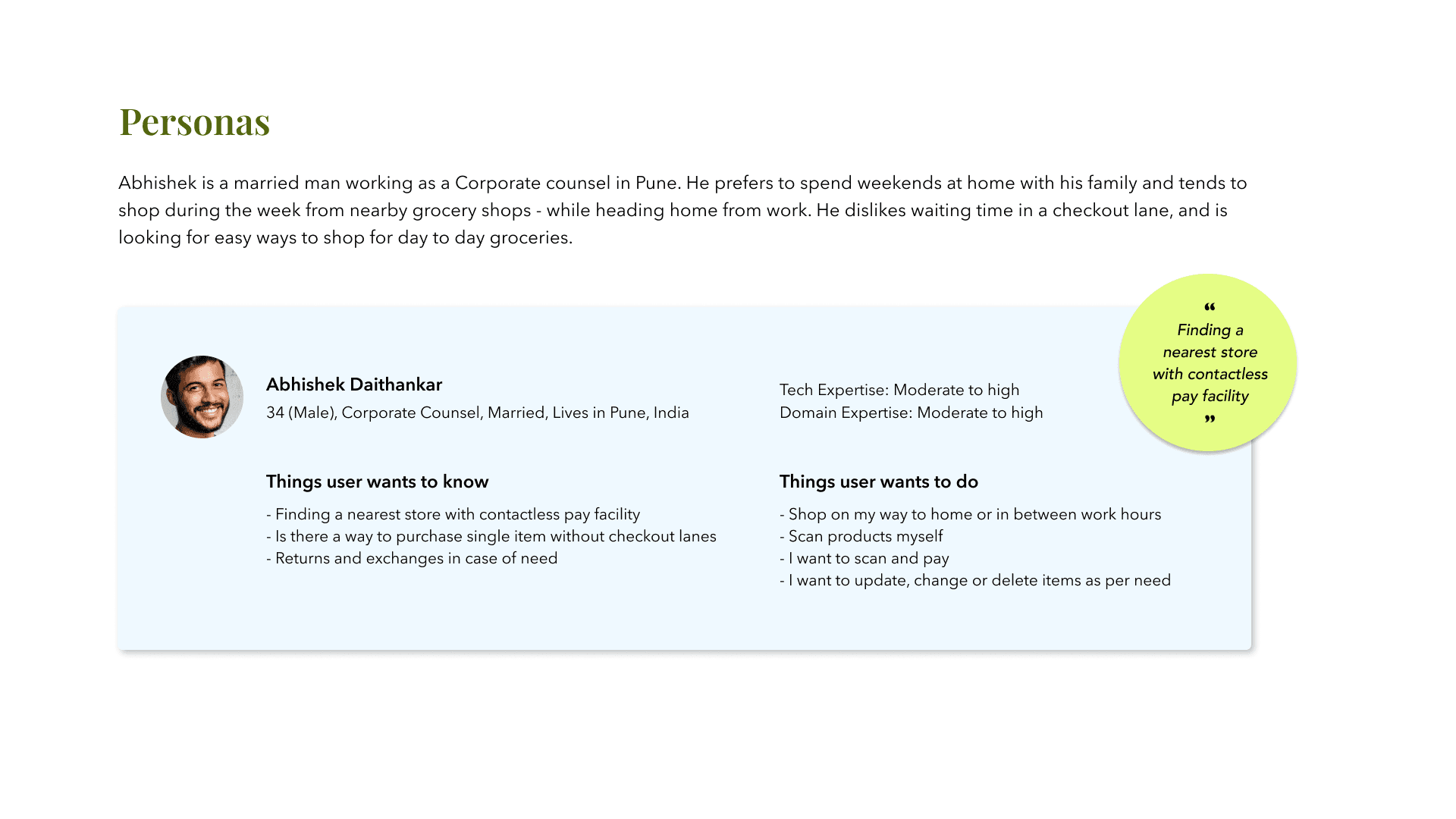
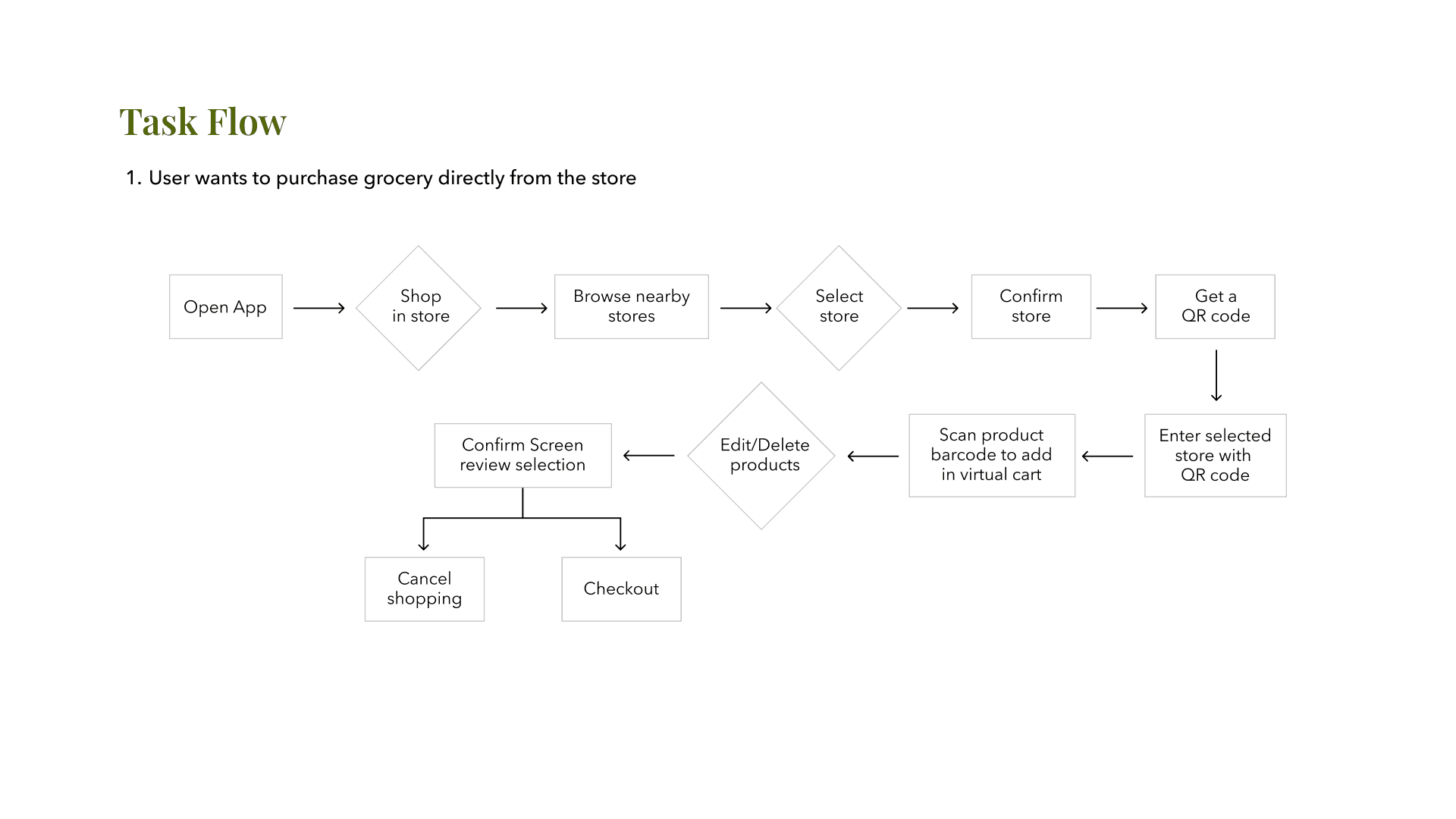
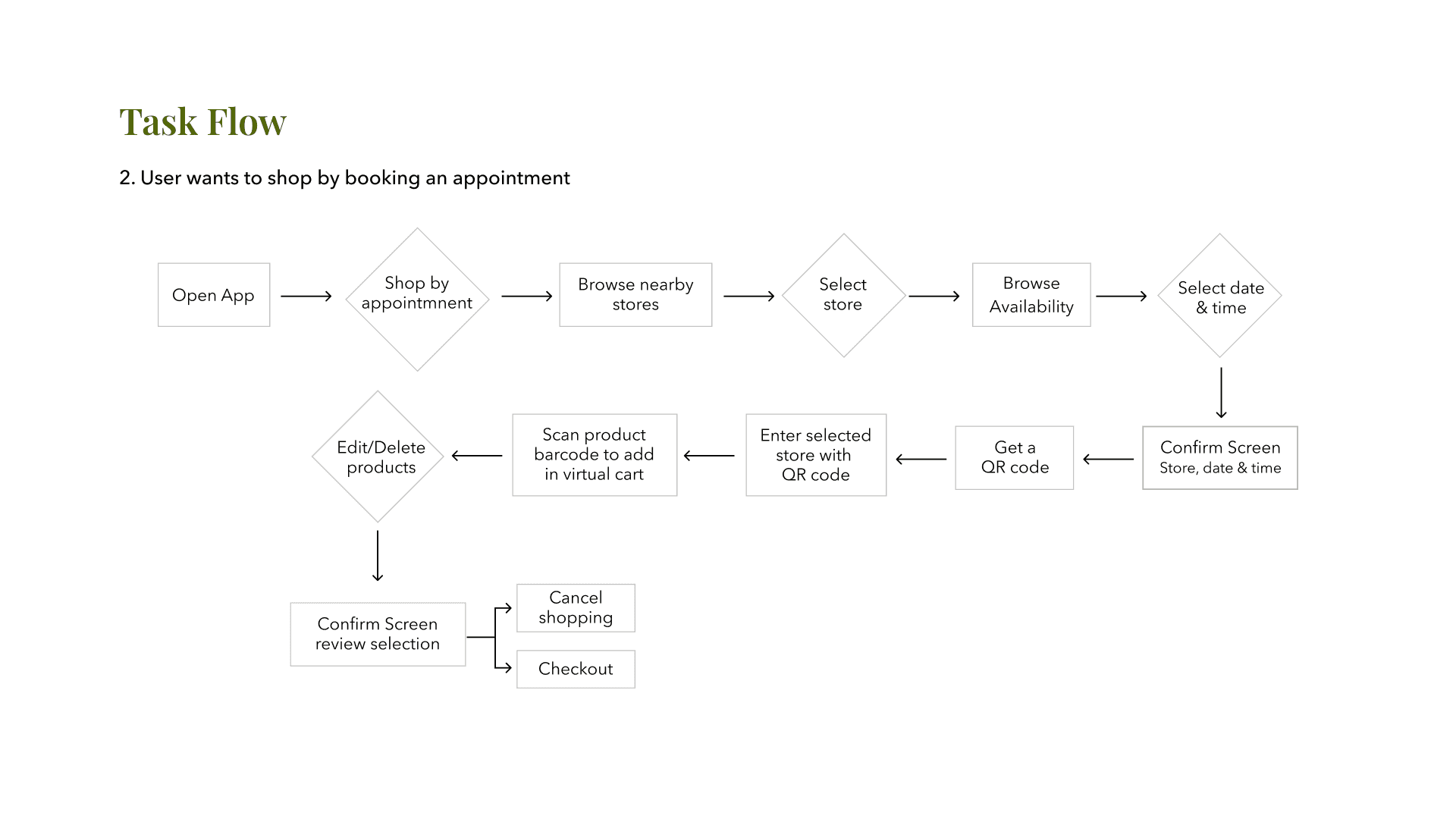
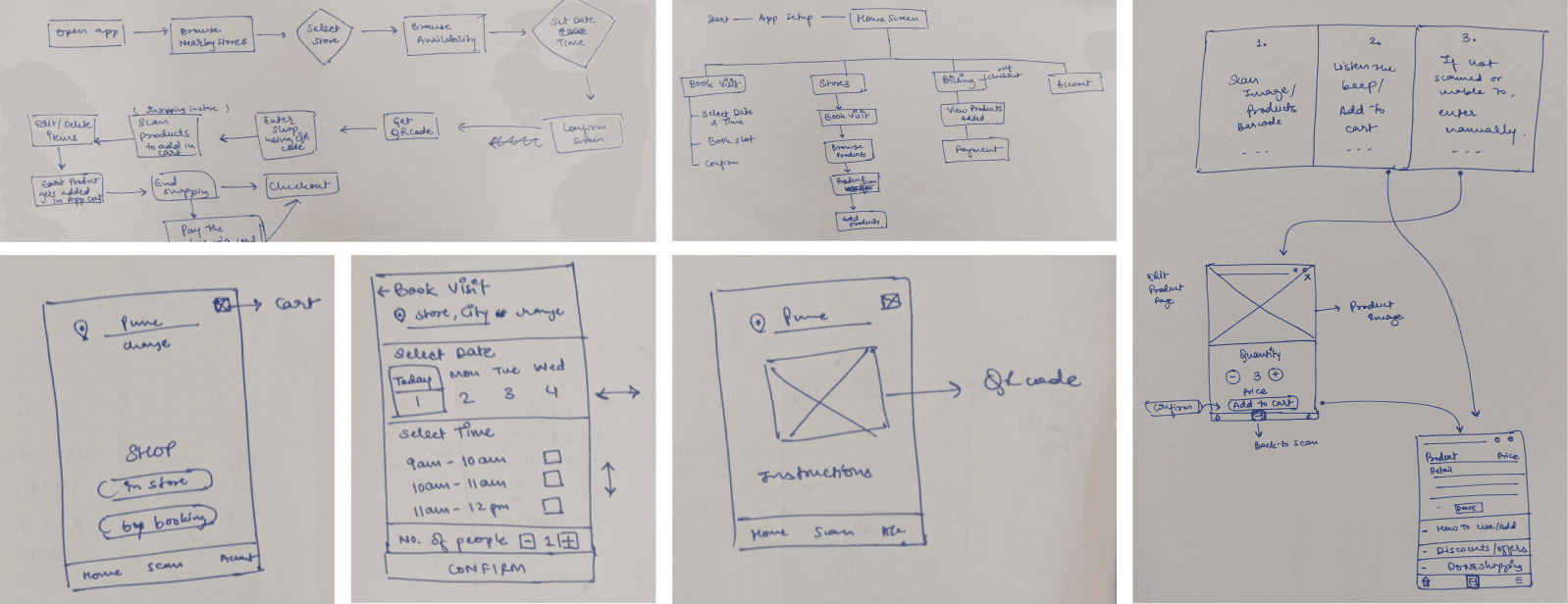
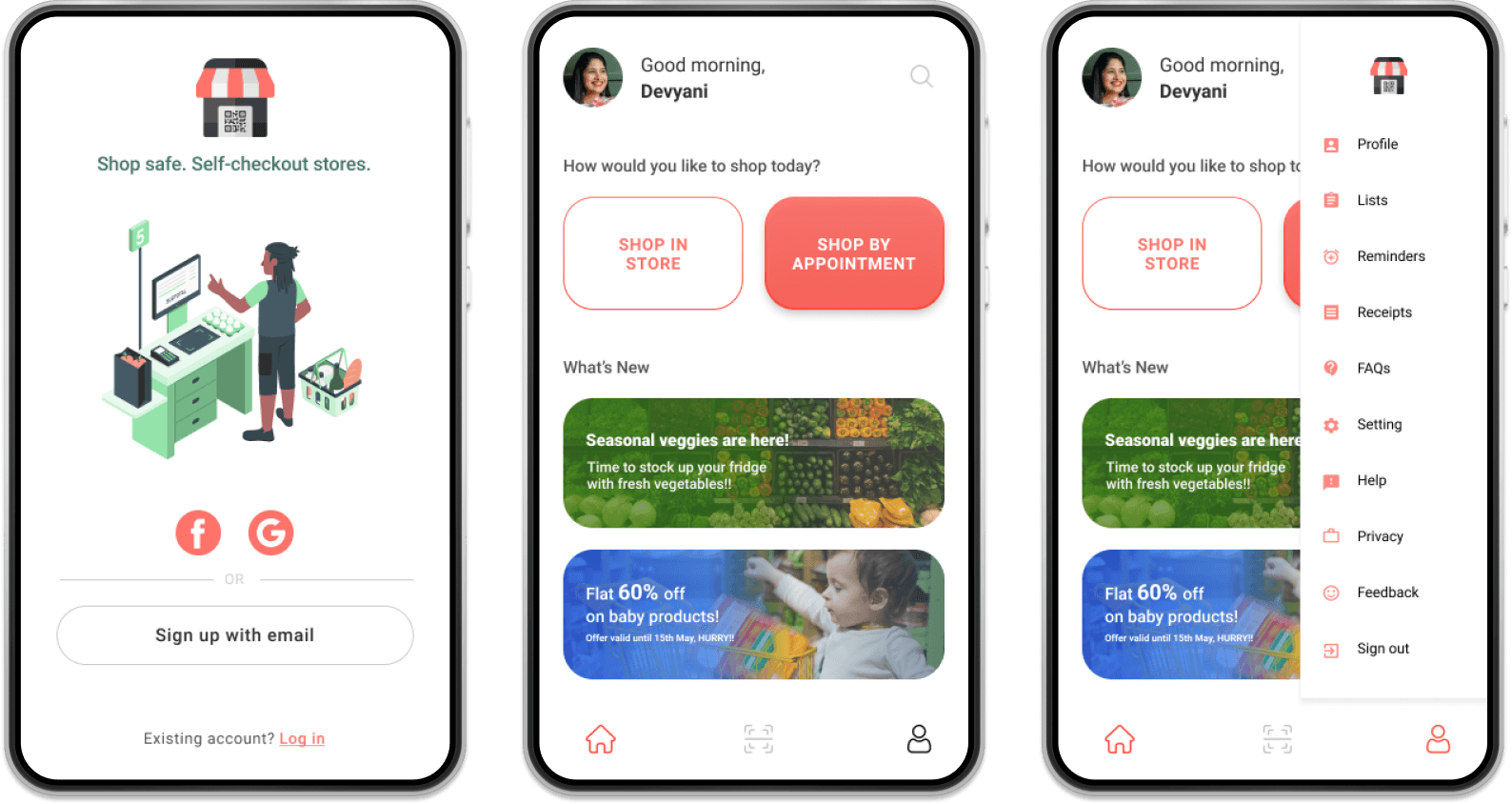
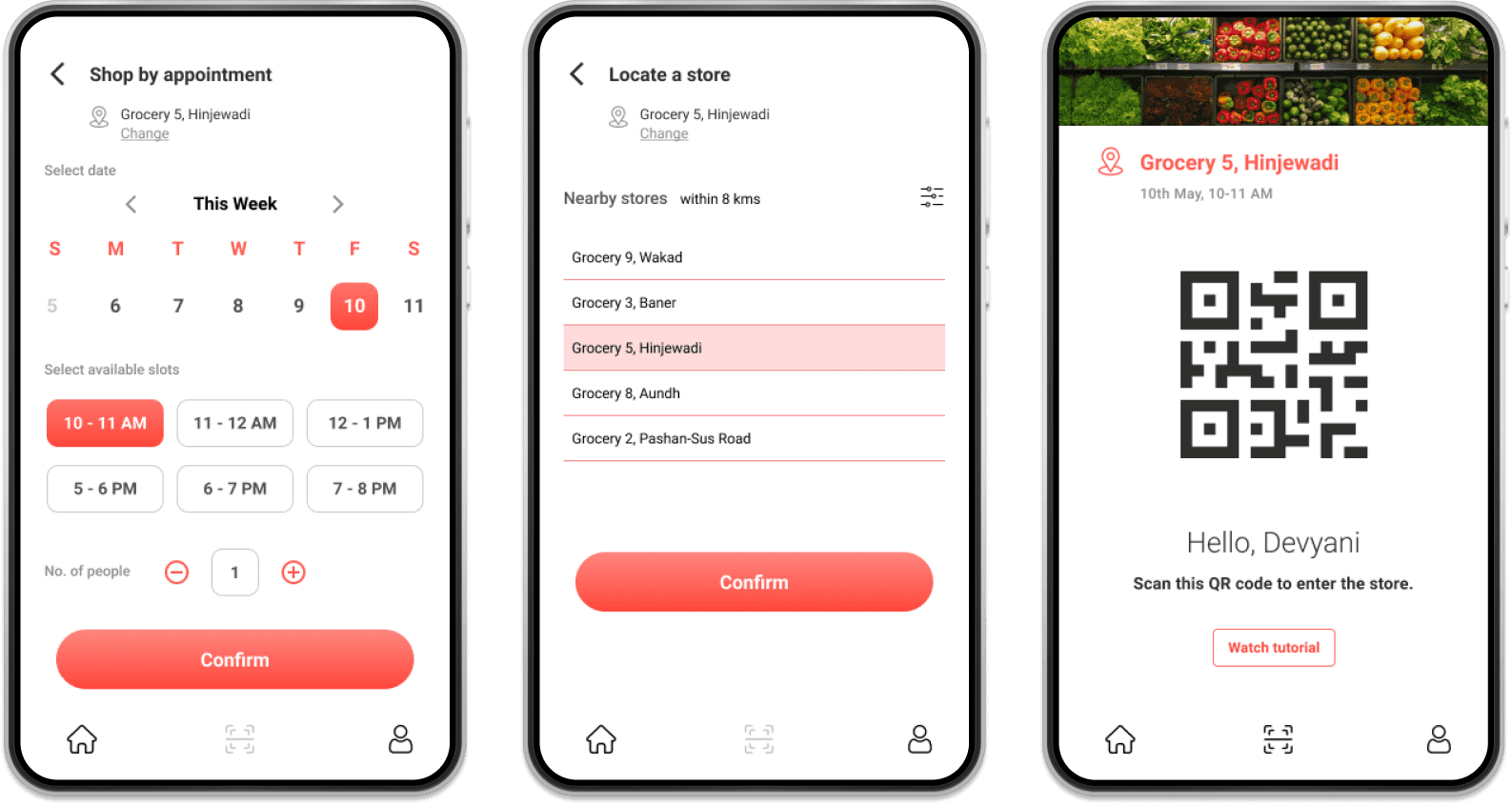
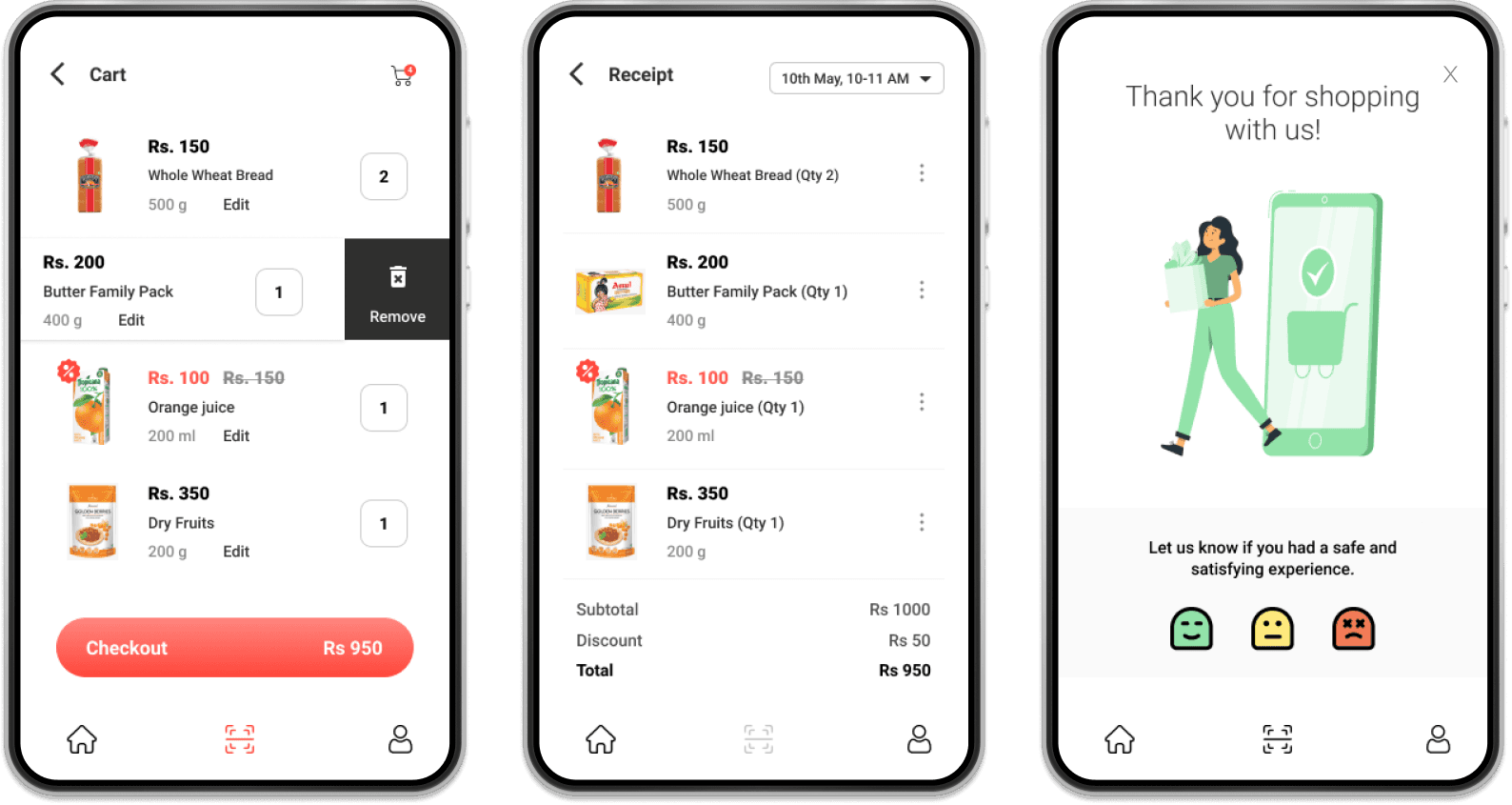
Based on all the information gathered during primary research, the designer proceeded to build information architecture, user flows, and low fidelity wireframes.
The COVID-19 pandemic has significantly impacted consumer behavior, driving a strong demand for contactless solutions. People are prioritizing safety and convenience, seeking ways to minimize physical contact and streamline their shopping experiences. This shift in preferences creates a crucial opportunity for businesses to adapt and cater to these evolving needs. By implementing contactless payment options and fostering a safe and secure shopping environment, businesses can not only improve customer experience but also thrive in this new normal.
Outcome
Ideation
Based on all the information gathered during primary research, the designer proceeded to build information architecture, user flows, and low fidelity wireframes.
The COVID-19 pandemic has significantly impacted consumer behavior, driving a strong demand for contactless solutions. People are prioritizing safety and convenience, seeking ways to minimize physical contact and streamline their shopping experiences. This shift in preferences creates a crucial opportunity for businesses to adapt and cater to these evolving needs. By implementing contactless payment options and fostering a safe and secure shopping environment, businesses can not only improve customer experience but also thrive in this new normal.
Outcome
Ideation
Based on all the information gathered during primary research, the designer proceeded to build information architecture, user flows, and low fidelity wireframes.
The COVID-19 pandemic has significantly impacted consumer behavior, driving a strong demand for contactless solutions. People are prioritizing safety and convenience, seeking ways to minimize physical contact and streamline their shopping experiences. This shift in preferences creates a crucial opportunity for businesses to adapt and cater to these evolving needs. By implementing contactless payment options and fostering a safe and secure shopping environment, businesses can not only improve customer experience but also thrive in this new normal.